In modern clubs, loyalty systems are everywhere.
Members accumulate points through gaming, dining and entertainment spending, redeeming them for meals, prizes, discounts or benefits through sophisticated computerised systems linked to membership cards and databases.
Security surrounding gaming operations was often basic, particularly in smaller or rapidly growing clubs where staffing and oversight systems struggled to keep pace with expansion.
Long before those systems became standard across the club industry, Panthers experimented with an early version of the same idea.
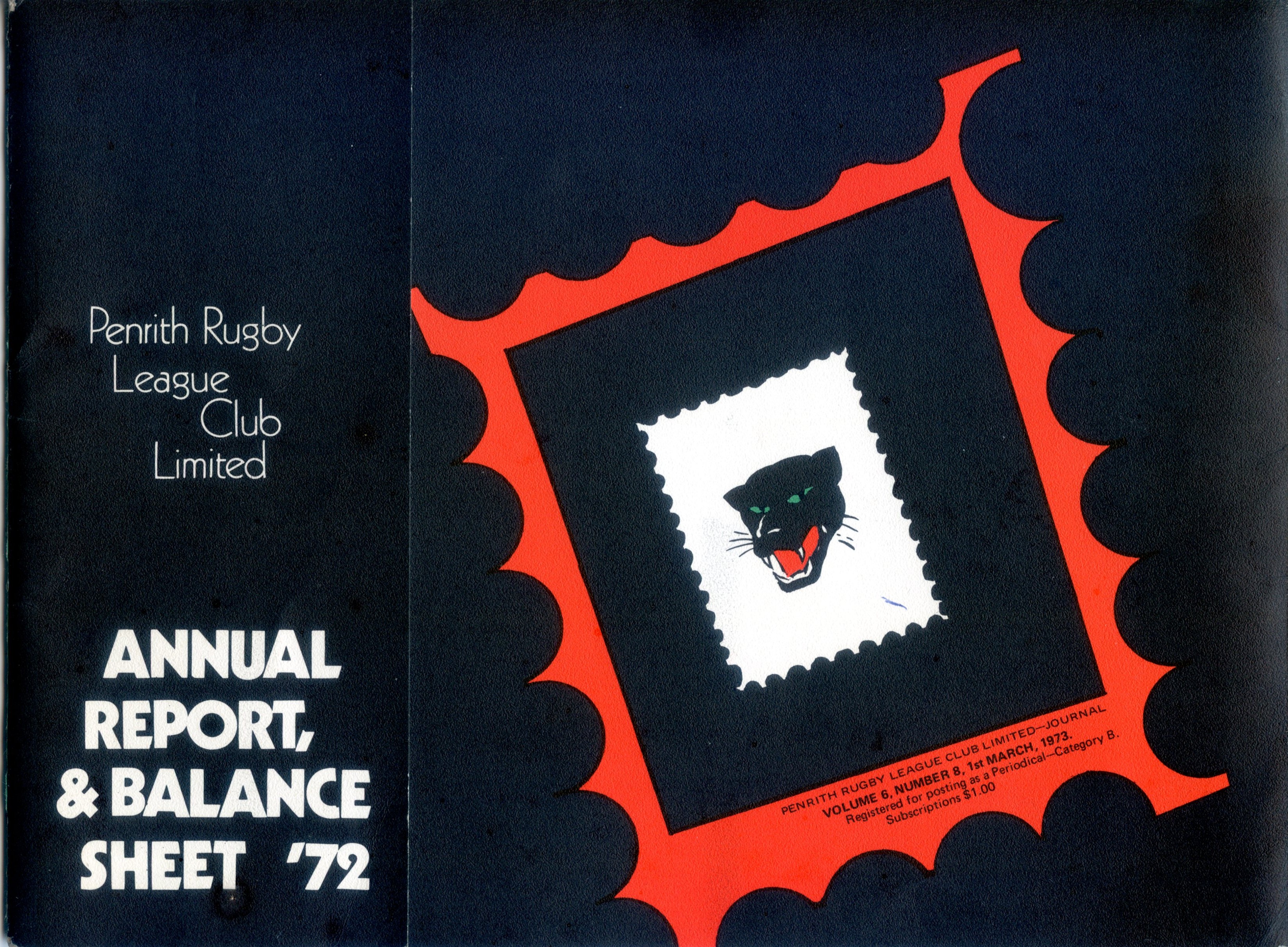
It was called Panther Stamps.
Introduced in 1972, the scheme rewarded patrons — with bonus stamps that could later be exchanged for prizes and trophies. While simple by modern standards, the concept reflected a surprisingly advanced understanding of customer loyalty, repeat visitation and member engagement
The Panthers Annual Report for 1972 described the program as:
“one of the most outstanding successes we have ever had.”
The scheme had officially commenced on 10 July 1972 after several months of delay caused by what the club described as “security and administrative problems involved.”
Even at this early stage, Panthers recognised that a rewards system required careful operational controls, stock management and accounting procedures.
Within less than six months:
- and prizes worth approximately $22,000 at cost price had been distributed.
- members had collected more than 150,000 stamps
- over 90,000 had already been redeemed
The prizes ranged from trophies and sporting awards through to toys and household items. The report noted that demand became particularly intense in the weeks before Christmas, with thousands of dollars’ worth of toys redeemed by members.
Importantly, Panthers did not present the scheme simply as generosity or entertainment.
Club management acknowledged that while the program carried significant administrative costs — including staffing, storage, stationery and prize purchasing — they believed the increased engagement from members more than justified the expense.
In effect, Panthers had identified an idea that would later become central to the modern club and gaming industries: reward loyalty, encourage repeat visitation, and strengthen the relationship between the member and the venue.
The system also demonstrated the increasingly sophisticated operational mindset developing within Panthers during the early 1970s. By this period, the club was not merely expanding physically — it was experimenting with new forms of marketing, patron engagement and gaming promotion that were relatively advanced for the time.
Although Panther Stamps relied on physical booklets and manual administration rather than computers and swipe cards, the underlying principle was remarkably familiar to modern readers.
Today’s digital loyalty programs — with their points systems, rewards catalogues and member incentives — are built upon many of the same ideas.
While modest by modern standards, Panther Stamps reflected the growing importance of structured member engagement within the evolving licensed club industry of the period.
Panther Stamps were simply an early analogue version of that future.
Related Topics
Related Themes
Financial Management · Innovation
To receive new Parts and occasional project updates by email, you may subscribe below.
Readers who hold recollections, documents, or material relevant to this history are welcome to contribute via the Commentary & Contributions page.
Project Updates
Receive updates when new parts are published.

